Age-related macular degeneration (AMD) is a leading cause of central vision loss, particularly in adults over 60. But despite how common it is, many people don’t understand how it develops—or how it affects their independence.
At Thomas Eye Center, our eye doctors know that AMD can sneak up quietly, with early symptoms often mistaken for normal aging. Left untreated, AMD can impact your ability to read, drive, recognize faces, or live safely and comfortably on your own.
What Is Age-Related Macular Degeneration (AMD)?
AMD is a chronic eye condition that affects the macula—the small, sensitive part of the retina responsible for sharp, central vision. While your peripheral vision typically remains intact, the center of your vision may become blurry, distorted, or dark.
There are two main types of AMD:
- Dry Age-Related Macular Degeneration (most common): Gradual vision loss caused by thinning of the macula.
- Wet Age-Related Macular Degeneration: Less common but more severe. Caused by abnormal blood vessels leaking fluid under the retina.
Early Signs of Macular Degeneration
Many patients don’t realize they have AMD until it’s advanced, which is why annual eye exams are so important—especially after age 60. Here are common early symptoms to watch for:
- Blurry or fuzzy central vision
- Trouble seeing fine detail (like small print)
- Distorted or wavy lines (a grid may appear warped)
- Difficulty adapting to low light
- Increased reliance on brighter lighting
- Colors that seem dull or faded
Who’s at Risk for Macular Degeneration?
While AMD is associated with aging, other factors may raise your risk of developing it—some of which you can manage, and others you can’t. Here's what we watch for in patients across Athens:
Unavoidable Risk Factors
- Age (60+)
- Family history of AMD
- Light eye color
- Gender (more common in women)
Modifiable Risk Factors
- Smoking
- High blood pressure or cardiovascular disease
- A diet low in leafy greens and omega-3s
- Obesity and a sedentary lifestyle
- Prolonged sun exposure without UV protection
If you fall into any of these categories, Thomas Eye Center can help you build a proactive care plan that reduces your risk of progression.
Compassionate AMD Support for Every Stage at Thomas Eye Center
At Thomas Eye Center, we’ve served generations of Athens families with eye care that blends compassion and science. Whether you’re experiencing changes in your vision or just want to be sure your macula is healthy, our experienced team is here for you.
If you’re over 60—or have a family history of macular degeneration—book your appointment to protect your sight before it’s at risk.
Macular Degeneration FAQs
Is macular degeneration the same as blindness?
No. AMD typically affects central vision only—meaning you may still see out of the corners of your eyes. However, it can make reading, driving, and recognizing faces difficult without treatment in the early stages.
How is AMD detected during an eye exam?
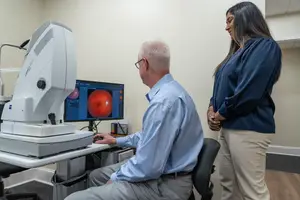
Your optometrist uses tools like a dilated eye exam, optical coherence tomography (OCT) imaging, and retinal photography to examine the health of your macula. These tests are non-invasive and help catch AMD before it progresses.
Can diet help with AMD?
Yes. A diet rich in dark leafy greens, colorful fruits, and omega-3 fatty acids may help reduce AMD progression. Nutritional supplements like AREDS 2 are also commonly recommended for dry AMD.