Skip to content

Infant & Baby Eye Exams in Athens, GA

Your baby's eyes begin developing long before they can recognize faces or reach for toys. Even if everything seems to be progressing normally, an early eye exam can help identify vision or eye health concerns before they affect your child's development.

At Thomas Eye Center, we provide gentle, comprehensive infant and baby eye exams in Athens, GA for children as young as 6 months old. Our experienced optometrists create a calm, welcoming environment where parents can feel confident and little ones can stay comfortable throughout their visit.
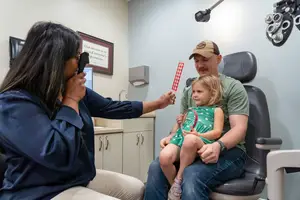
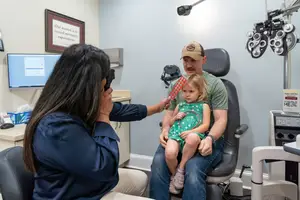
In an examination room, a man is sitting with a young girl while a woman is holding a device and checking the girl's eyes.
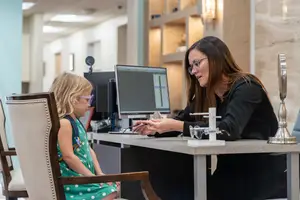
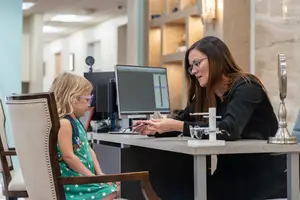
A woman is examining a young girl's eyes in a medical office with a computer on the desk

Why Are Eye Exams Important for Babies?

Healthy vision plays an essential role in how babies learn, grow, and experience the world around them. During the first few years of life, the eyes and brain work together to develop the visual skills children need for movement, coordination, communication, and learning.

Some eye conditions are present at birth or develop during infancy without obvious signs. Because babies can't tell you when something doesn't look right, a comprehensive eye exam allows your optometrist to evaluate their vision and eye health while they're still developing.

Early eye exams may help identify:

  • Eye alignment problems, such as crossed or wandering eyes
  • Significant farsightedness, nearsightedness, or astigmatism
  • Risk factors for lazy eye (amblyopia)
  • Eye health conditions affecting the front or back of the eye
  • Developmental vision concerns that may require monitoring

Detecting these issues early often creates more opportunities for timely treatment and long-term monitoring.

When Should My Baby Have Their First Eye Exam?

The American Optometric Association recommends that infants have their first comprehensive eye exam at around 6 months of age.

This visit helps establish a baseline for your child's eye health and allows us to evaluate how their vision is developing during one of the most important stages of growth. Additional eye exams are typically recommended before starting school and throughout childhood, although your optometrist may recommend a different schedule based on your child's individual needs.

If your baby was born prematurely, has a family history of eye disease or vision problems, or you've noticed unusual eye movements or difficulty focusing, it's a good idea to schedule an evaluation as soon as possible.

A man and a child are sitting in a chair in an eye clinic with a woman holding a camera.

What Happens During an Infant Eye Exam?

Parents are often surprised by how much we can learn about a baby's vision without asking them to read an eye chart.

Our infant eye exams use gentle, age-appropriate techniques to evaluate your child's visual development, eye health, and how well their eyes work together. Throughout the visit, our team focuses on creating a relaxed experience while carefully assessing your baby's developing vision.

What We Check During Your Baby's Eye Exam

Every infant eye exam is tailored to your child's age and developmental stage. During the exam, we may assess:

  • Eye alignment and movement
  • Focusing ability
  • Visual tracking
  • Overall eye health
  • Early signs of refractive errors, including nearsightedness, farsightedness, and astigmatism
  • The health of the retina and optic nerve

We'll explain everything we see in clear, easy-to-understand language and answer any questions you have before recommending next steps, if needed.

A woman with glasses is examining a young girl's eyes with a tool in a clinic setting.
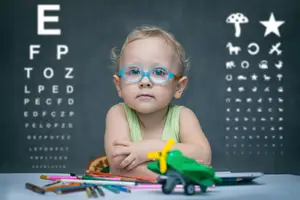
A baby with glasses is sitting at a desk with various objects like a toy car, pencils, and a book. Behind the baby, there is a blackboard with an eye chart and different images, including a mushroom, a star, a horse, and a cat.

Signs Your Baby May Need an Eye Exam Sooner

While every child should have a comprehensive eye exam around 6 months of age, some babies should be evaluated earlier.

We recommend scheduling an appointment if you notice:

  • Eyes that frequently cross or wander
  • Difficulty following faces or moving objects
  • Excessive tearing or discharge
  • Persistent eye rubbing
  • Unusual sensitivity to light
  • A white appearance in the pupil in photographs
  • A family history of childhood eye conditions or lazy eye

If you're ever unsure whether something is normal, we're happy to evaluate your child's eyes and provide guidance.

Why Families Trust Thomas Eye Center

For more than 75 years, Thomas Eye Center has cared for generations of families throughout Athens and the surrounding communities.

Our eye doctors combine advanced diagnostic technology with a compassionate, child-friendly approach that helps babies feel comfortable and parents feel informed. We take time to answer your questions, explain your child's visual development, and provide personalized recommendations that support healthy vision as they grow.

Whether you're bringing your first child for their first eye exam or continuing a family tradition of eye care, we're honored to be part of your child's healthcare journey.

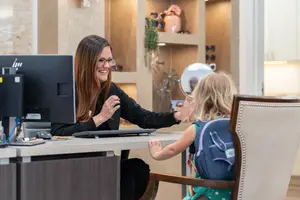
A woman is smiling and talking to a child while holding a mirror, while the child is holding the woman's hand. Behind them is a wooden cabinet with shelves and a monitor on a desk.

Schedule Your Baby's First Eye Exam in Athens, GA

Your child's first eye exam is an important step toward protecting their vision for years to come. Seeing an optometrist around 6 months of age allows us to monitor healthy development and identify concerns early, often before they become more difficult to treat.

If you're looking for a trusted provider for your baby's first eye exam in Athens, GA, Thomas Eye Center is here to help. Contact our team today to schedule an appointment and give your child a strong foundation for lifelong healthy vision.